

Hookah culture continues to evolve across India and the Middle East, supported by social traditions, hospitality venues, and changing consumer experiences.
A Viral Moment Brings Hookah Back Into Online Conversation
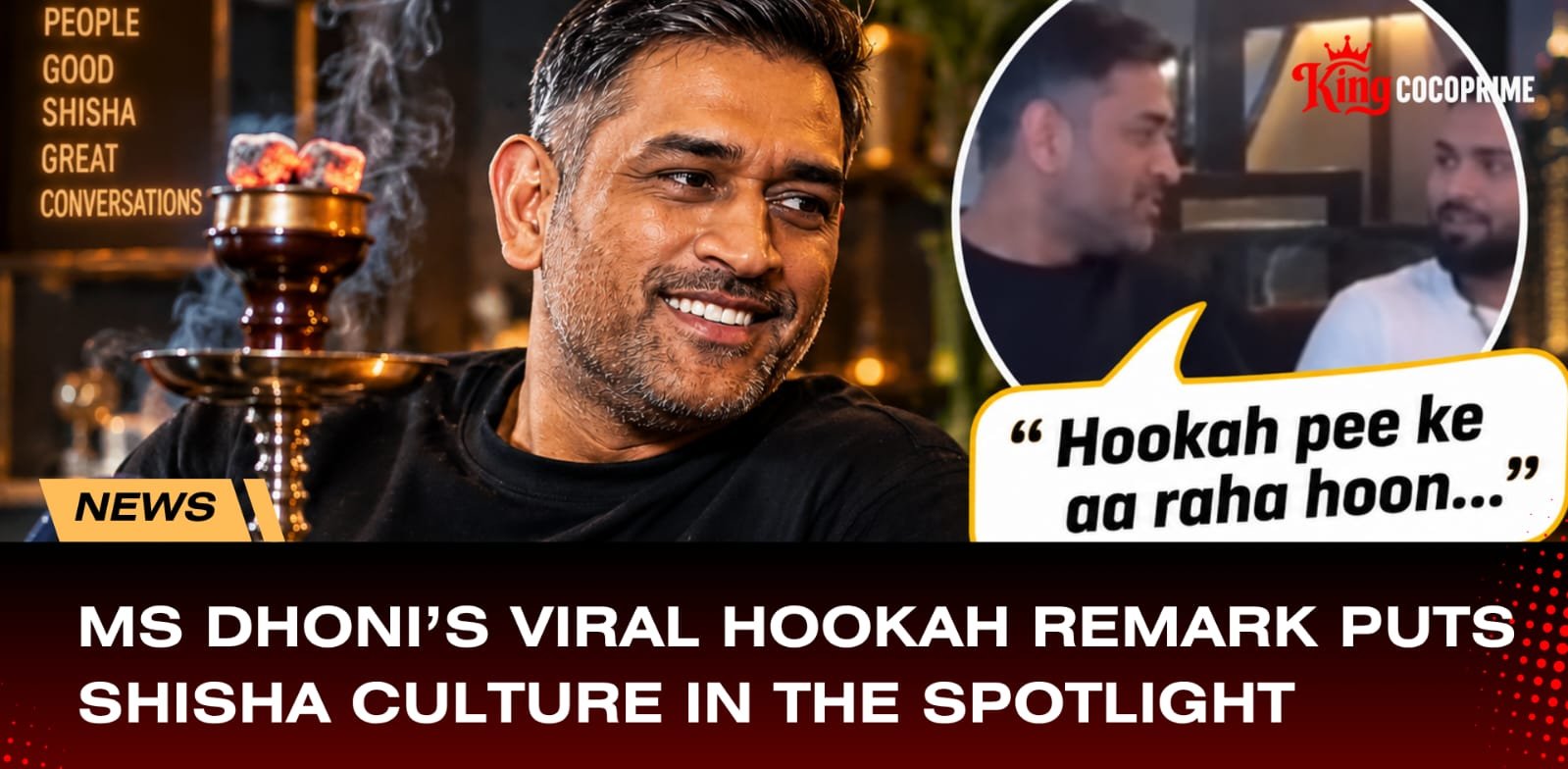
A recent viral moment involving former Indian cricket captain MS Dhoni has once again brought the word "hookah" into online conversations.
In early September 2026, a video appearing to show MS Dhoni and Indian wicketkeeper Rishabh Pant at a private gathering spread widely across social media. During the brief exchange, a remark apparently referring to hookah caught the attention of viewers and quickly became one of the most discussed parts of the clip.
While the exact wording and context of the remark have been reported differently, the viral moment highlights something much broader: hookah remains highly recognizable across India and continues to hold a strong cultural connection with the Middle East.
Hookah Is More Than a Passing Trend
Hookah, also widely known as shisha, has a long history across South Asia and the Middle East.
Over time, the experience has changed. Traditional hookah gatherings have developed into modern shisha cafes, restaurants, rooftop lounges, hotels, beach clubs, and premium hospitality venues.
Today, customers can find sophisticated shisha experiences across cities such as Dubai, Abu Dhabi, Riyadh, Jeddah, Delhi, Mumbai, and Hyderabad.
The setting may be different from the traditional hookah experience, but one element remains important: social interaction. People often experience hookah as part of a longer gathering involving food, drinks, conversation, and entertainment.
India's Hookah Culture Continues to Evolve
India has a long historical relationship with hookah. Today, the market looks very different from its traditional form. Modern consumers can encounter hookah through lounges, restaurants, private gatherings, and premium hospitality experiences.
The market has also become more diverse. Consumers can choose from different hookah designs, tobacco or non-tobacco mixtures, heat management systems, and charcoal products.
For businesses operating in this sector, consistency becomes increasingly important. A lounge serving many customers every evening needs products that can deliver predictable performance from one session to another.
The Middle East Remains at the Center of Shisha Culture
The Middle East continues to be one of the world's most recognizable regions for shisha culture. Across Gulf markets, shisha is closely connected with cafes, restaurants, hotels, lounges, and other hospitality businesses.
The UAE provides a clear example. Research reported in 2025 involving hospitality businesses that offer shisha found that 86% of surveyed UAE venues expected demand for shisha to increase during the following two years.
Saudi Arabia has experienced similar changes in its hospitality landscape. Modern lounges offering entertainment and shisha have become part of the country's evolving social and hospitality environment.
Hospitality Is Changing the Shisha Experience
Modern shisha customers increasingly expect more than the hookah itself. They also consider atmosphere, service, flavor, heat consistency, session duration, and overall experience.
For hospitality operators, this creates operational requirements behind every session. Staff need to prepare the hookah efficiently. Heat needs to remain manageable. Charcoal needs to perform consistently. Excessive ash, unstable heat, unwanted odor, or inconsistent burning can affect the experience.
Why Charcoal Quality Matters
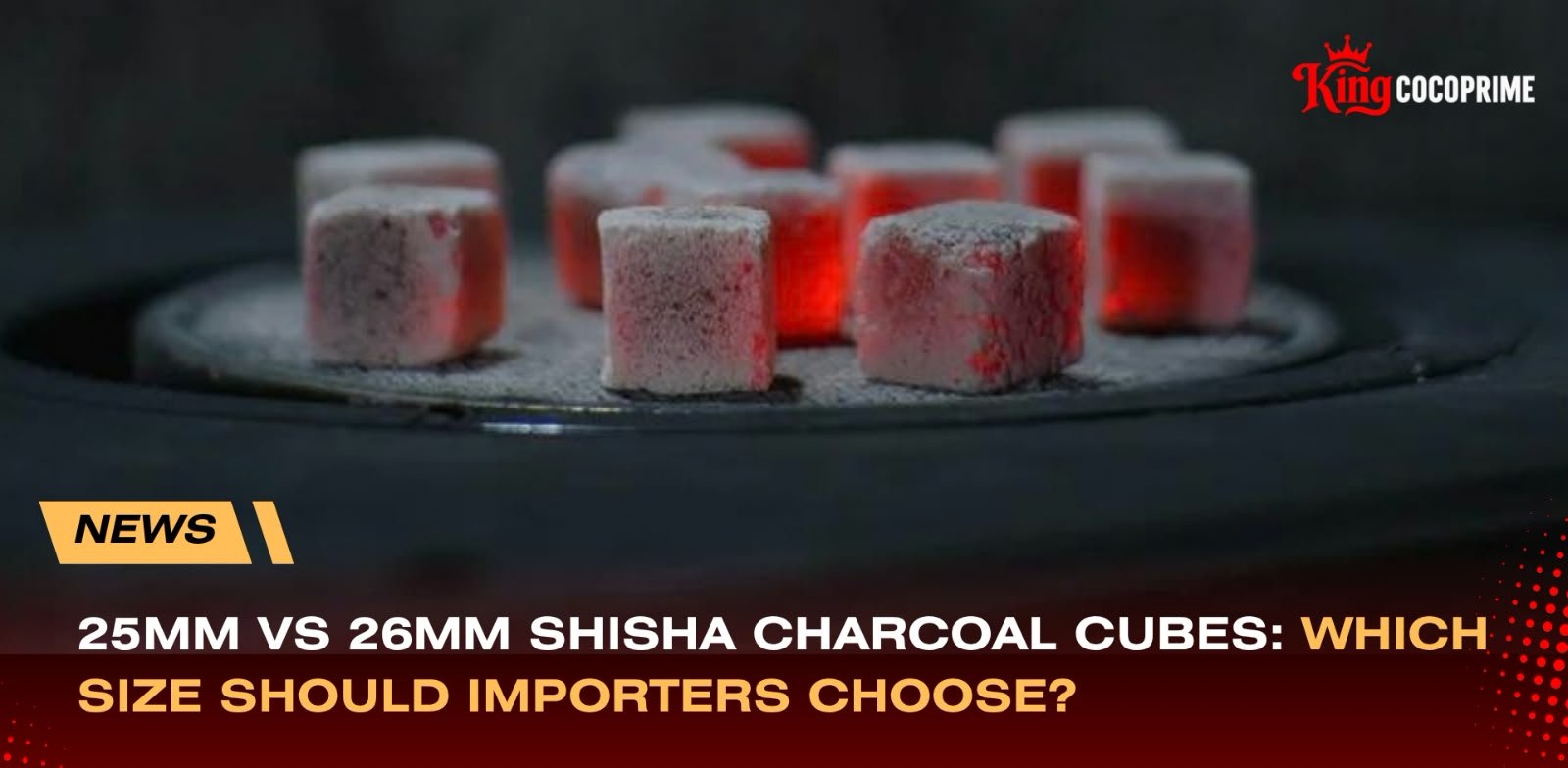
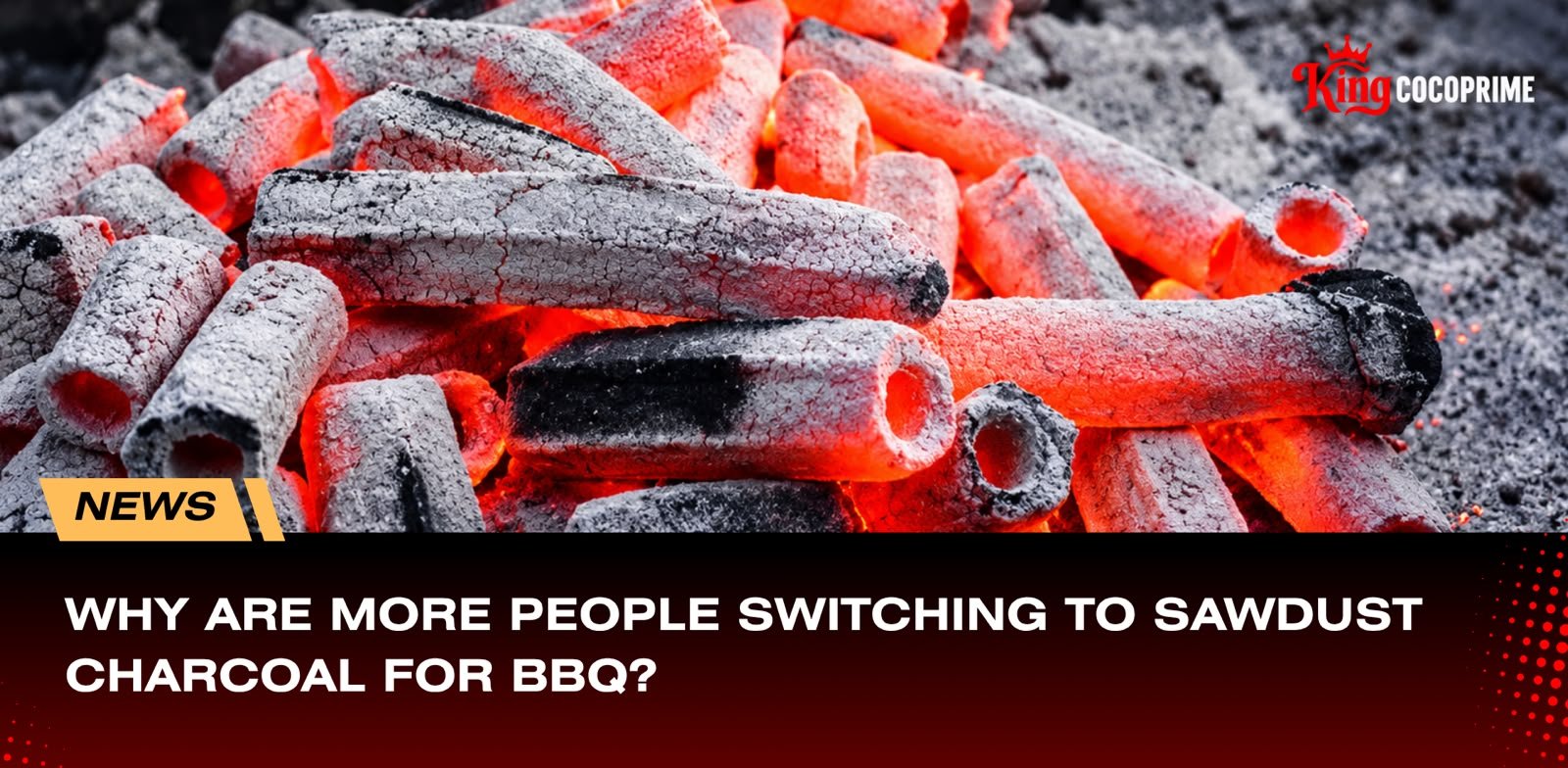
Charcoal plays a fundamental role in conventional hookah preparation because it provides the heat required for the session.
Stable Heat: Consistent heat helps staff manage the shisha bowl more effectively throughout the session.
Long Burning Time: Long-lasting charcoal can reduce the frequency of charcoal replacement during a session.
Low Ash: Lower ash production can support cleaner handling and easier maintenance during service.
Consistent Size and Density: Uniform briquettes can provide more predictable heat management between batches.
Minimal Unwanted Odor: Quality charcoal should avoid introducing unnecessary odors that interfere with the intended shisha experience.
Why Coconut Shell Charcoal Is Used for Shisha
Indonesia has access to significant coconut resources, creating opportunities to convert coconut shells into higher-value charcoal products.
After carbonization, coconut shell charcoal can be processed, crushed, mixed with a binder, shaped, dried, and carefully controlled to produce briquettes suitable for shisha applications.
Common shapes include cube, flat cube, finger, and other customized formats depending on buyer requirements.
For importers and distributors, appearance alone is not enough. Important specifications can include moisture content, ash content, fixed carbon, volatile matter, burning duration, dimensions, density, and packaging.
From Indonesia to Global Hookah Markets
The continued visibility of hookah culture across India and the Middle East creates opportunities throughout the supporting supply chain. That includes manufacturers and suppliers of hookah equipment, flavors, packaging, heat management products, and charcoal.
Indonesia has an important position within this ecosystem because coconut shells can serve as a raw material for premium charcoal production.
For international buyers, selecting a supplier is not simply about finding charcoal. Consistency matters. Buyers need products manufactured according to agreed specifications, supported by quality control, suitable packaging, export documentation, and reliable supply.
The Future of Hookah Culture
Hookah culture continues to evolve. Traditional practices now exist alongside modern lounges, luxury hospitality, new heat-management technologies, and changing consumer expectations.
The viral conversation surrounding MS Dhoni shows how easily hookah can still become part of mainstream discussion in India. Meanwhile, developments across the UAE, Saudi Arabia, and other Middle Eastern markets demonstrate the continuing relationship between shisha and the hospitality sector.
For businesses serving this market, the opportunity comes with a clear requirement: quality must remain consistent. From the lounge experience to the charcoal that generates the heat, every component contributes to the final session.
As hookah culture continues to adapt across India and the Middle East, reliable shisha charcoal will remain an important part of the traditional hookah experience.
KING COCOPRIME supplies Indonesian coconut shell charcoal briquettes for international buyers, distributors, and shisha businesses seeking consistent quality and export-ready supply.